Understanding the Fundamentals of Sport Massage
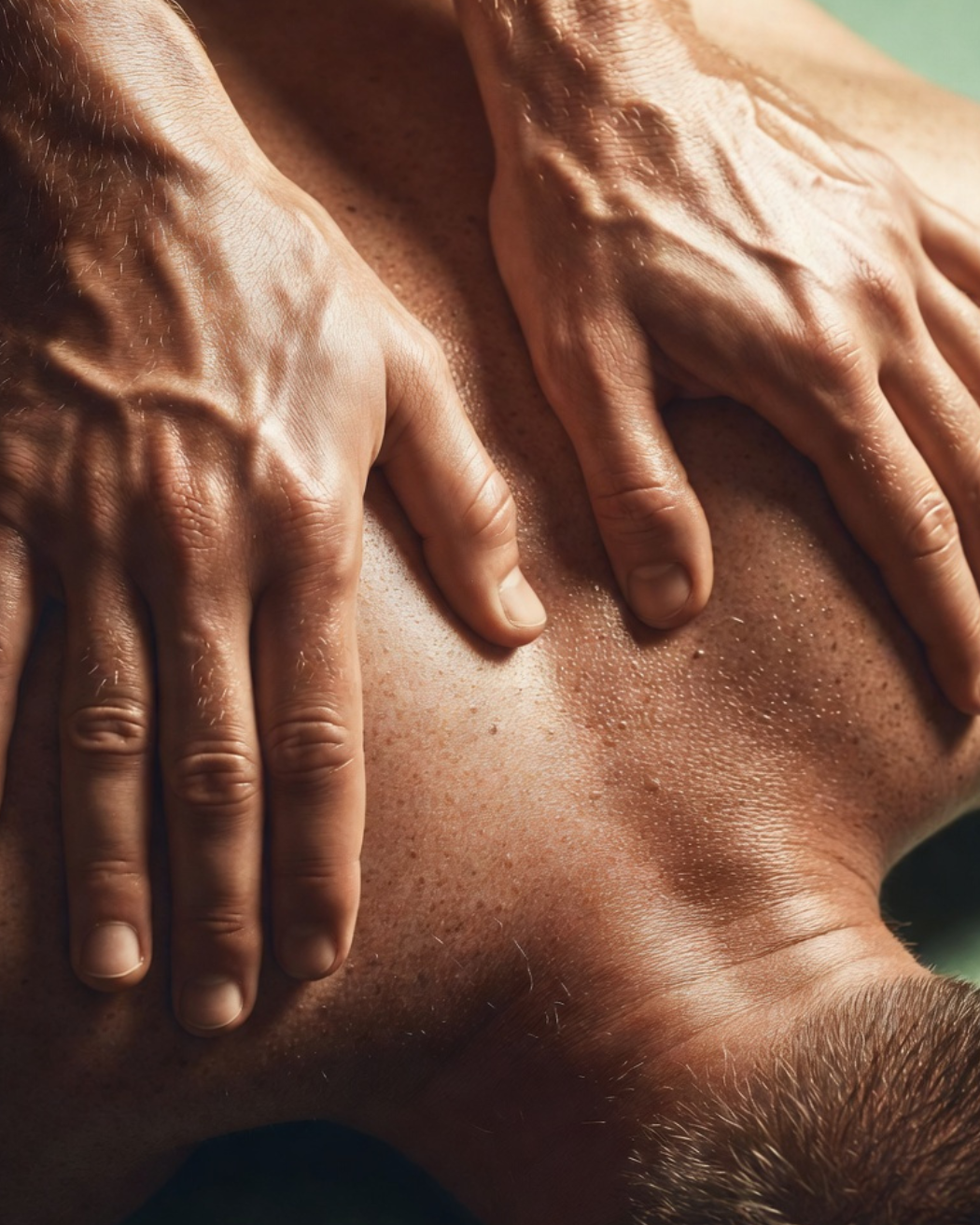
Sport massage stands as a cornerstone in athletic care, blending specialized manual techniques with an in-depth knowledge of human anatomy and physiology. Unlike general relaxation massage, its primary focus is to enhance muscle recovery, prevent injuries, and optimize performance for athletes of all levels. By targeting muscle groups most engaged during sporting activity, sport massage techniques work to alleviate tension, reduce inflammation, and promote efficient blood circulation.
At its core, sport massage is rooted in a thorough understanding of musculoskeletal dynamics. Practitioners assess an individual’s specific physical demands and tailor their approach, often combining deep tissue manipulation, friction, and stretching. This customization ensures that the massage addresses unique stress points, supports tissue repair, and accelerates recovery after intense training or competition.
Key Elements of Sport Massage
- Assessment and Personalization: Each session begins with evaluating the athlete’s needs, injury history, and training schedule to target problem areas effectively.
- Technique Integration: Sport massage utilizes a blend of techniques such as effleurage, petrissage, and trigger point therapy, each serving a distinct purpose in muscle healing and performance enhancement.
- Focus on Prevention and Recovery: By identifying muscle imbalances and adhesions, sport massage works proactively to prevent strains and speed up the body’s natural healing process.
Understanding these fundamentals sets the stage for exploring advanced techniques—each designed to unlock the body’s potential and support peak athletic performance.
Key Benefits for Muscle Recovery and Performance
Sports massage techniques have emerged as a cornerstone for athletes and fitness enthusiasts seeking to optimize muscle recovery and enhance overall performance. By targeting specific muscle groups, these techniques facilitate a range of physiological benefits that go far beyond relaxation. The core advantage lies in the ability of sports massage to accelerate the body’s natural healing processes, making it an indispensable part of modern athletic routines.
Accelerated Muscle Recovery
One of the most significant benefits of sports massage is its role in reducing muscle soreness and speeding up recovery after intense physical activity. Through techniques such as deep tissue manipulation and myofascial release, massage helps to flush out metabolic waste products like lactic acid, which often accumulate during strenuous exercise. This process not only alleviates post-workout discomfort but also enables athletes to resume training sooner, minimizing downtime and promoting consistency in their performance regimen.
Enhanced Circulation and Flexibility
Another key benefit lies in improved blood flow to targeted muscle areas. Increased circulation delivers vital oxygen and nutrients, accelerating tissue repair and reducing inflammation. At the same time, the stretching and kneading involved in sports massage enhance muscle flexibility and joint mobility, decreasing the risk of injuries such as strains or sprains during training or competition.
Psychological Edge
Beyond the physical advantages, sports massage provides a mental boost by reducing stress levels and promoting relaxation. This psychological edge can be crucial for athletes, helping them maintain focus, confidence, and a positive mindset throughout their training cycles.
Collectively, these benefits make sports massage a powerful tool for anyone aiming to maximize muscle recovery and unlock peak athletic performance, setting the stage for sustained progress and success.
Popular Techniques Used in Sport Massage
Sport massage incorporates a range of specialized techniques designed to enhance muscle recovery, promote flexibility, and optimize athletic performance. Each method targets specific issues, from easing muscle tension to accelerating the healing of soft tissue injuries. Understanding these techniques can help athletes and active individuals make informed decisions about their recovery strategies.
Effleurage
Effleurage, characterized by long, gliding strokes, is often used at the beginning and end of a session. This technique warms up the muscles, stimulates blood flow, and prepares the body for deeper work. It’s highly effective for relaxing the nervous system and boosting circulation, which aids in flushing out metabolic waste.
Petrissage
Petrissage involves kneading, rolling, and lifting the muscles. This deeper manipulation breaks down adhesions and improves flexibility. By targeting deeper muscle layers, petrissage can alleviate chronic tension and support muscle recovery after intense workouts.
Friction
Friction techniques use deep, circular movements to target scar tissue and stubborn knots. This approach is particularly useful for treating overused muscles and accelerating the healing of minor injuries. By breaking down collagen build-up, friction improves mobility and reduces pain.
Tapotement
Tapotement consists of rhythmic tapping or percussion motions. These movements revitalize tired muscles and stimulate nerve endings, which can enhance alertness and increase energy levels before competition or training.
By integrating these popular sport massage techniques, therapists can tailor each session to the athlete’s unique needs, supporting faster muscle recovery and better overall performance. This holistic approach ensures that every muscle group receives the care and attention it deserves.
How Sport Massage Improves Range of Motion
Enhancing range of motion is a cornerstone benefit of sport massage, playing a vital role for athletes eager to optimize performance and reduce the risk of injury. When muscles become tight or fascia—the connective tissue surrounding muscles—grows restricted, movement can feel labored and limited. Sport massage techniques, specifically tailored to target these issues, help restore flexibility and fluidity to the body’s movements.
Releasing Muscle Tension and Adhesions
One of the primary ways sport massage improves range of motion is by addressing muscle tension and breaking down adhesions, also known as “knots.” Deep tissue strokes and myofascial release techniques work to separate muscle fibers, remove scar tissue, and promote circulation. As a result, muscles become more pliable, and joints can move through a wider arc without discomfort.
Enhancing Joint Mobility
In addition to working on the muscles, sport massage incorporates passive stretching and joint mobilization. These maneuvers gently encourage joints to move through their full range, stimulating synovial fluid production and reducing stiffness. Athletes who receive regular sports massage often experience smoother, more controlled movements—an essential factor for both training and competition.
- Reduced muscle tightness aids in functional movement patterns
- Improved blood flow accelerates tissue repair and flexibility
- Decreased fascial restrictions contribute to holistic mobility
Through a combination of targeted pressure, stretching, and expert manipulation, sport massage empowers athletes to move freely, paving the way for peak performance and quicker recovery between sessions.
Sport Massage Strategies for Effective Injury Prevention
In the demanding world of athletic performance, injury prevention stands as a pivotal concern for both professional and amateur athletes. Incorporating targeted sports massage strategies not only helps avert potential injuries but also optimizes the body’s capacity to withstand intensive training regimens. By focusing on proactive care rather than reactive treatment, sports massage emerges as a cornerstone in sustaining peak physical condition.
Key Techniques for Proactive Protection
- Myofascial Release: This technique targets the fascia—the connective tissue surrounding muscles—helping to alleviate tightness and improve flexibility. By releasing tension, myofascial release reduces the risk of muscle strains and overuse injuries, common pitfalls in high-impact sports.
- Deep Tissue Manipulation: Focused pressure applied to deeper muscle layers helps break down adhesions and scar tissue. This not only enhances mobility but also fortifies muscles against stress, minimizing the likelihood of acute injuries during intense activity.
- Trigger Point Therapy: By identifying and treating hyper-irritable spots within muscles, trigger point therapy prevents the development of compensatory movement patterns that often lead to injury. This method ensures muscles function efficiently and harmoniously.
Integrating these sport massage strategies into regular training routines arms athletes with a robust defense against common injuries. Each technique is designed to enhance tissue health, promote efficient movement, and support structural balance, laying the groundwork for superior performance and long-term athletic longevity.